



Table of Contents
Introduction
A railroad turnout, also known as a switch or a turnout switch, is a critical component of railway infrastructure that allows trains to change tracks. This mechanism is essential for the efficient operation of rail networks, enabling trains to move from one track to another safely. Understanding how turnouts work and their significance can enhance our appreciation of railway systems and their complexity.
1. What is a Turnout?
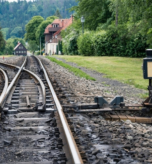
A turnout consists of two main parts: the switch and the frog. The switch is the movable section that directs the train onto a different track, while the frog is the fixed piece that allows wheels to cross over from one rail to another. Together, these components facilitate the movement of trains across junctions and sidings.
2. Types of Turnouts
There are various types of railroad turnouts designed for different operational needs. Some of the most common include:
- Standard Turnouts: These are widely used in mainline operations.
- Curved Turnouts: Designed for tracks that are not straight, these turnouts help maintain smooth transitions.
- Electric Turnouts: Operated remotely, these are often found in busy railway stations for efficient management.
3. Importance of Turnouts in Railway Operations
Turnouts play a crucial role in enhancing the flexibility of rail networks. They allow trains to switch tracks, facilitating the following:
- Efficient Routing: Directing trains to different lines minimizes delays.
- Access to Sidings: Turnouts enable trains to access loading and unloading areas safely.
- Maintenance Opportunities: They allow for the diversion of trains during track repairs.
4. Safety Considerations
Safety is paramount in railway operations, and turnouts are designed with this in mind. Regular maintenance and inspections are necessary to ensure that:
- Switches Function Properly: Mechanical and electrical components must operate smoothly.
- Track Alignment is Maintained: Proper alignment prevents derailments.
- Clear Signaling is in Place: Signals indicate when it’s safe to switch tracks.
5. Future Developments in Turnout Technology
Advancements in technology are continually improving turnout design and functionality. Innovations include:
- Smart Turnouts: These use sensors and automated systems to enhance performance.
- Materials Technology: New materials are being developed to reduce wear and tear.
- Data Analytics: Tracking usage and performance helps in predictive maintenance.
Conclusion
Railroad turnouts are vital components of railway systems, ensuring that trains can navigate complex networks efficiently and safely. Understanding their function and importance helps us appreciate the intricate design of modern railways.
FAQs
The primary function of a railroad turnout is to allow trains to switch from one track to another, facilitating the efficient movement of rail traffic.
Regular maintenance is essential, with inspections typically recommended every few months or as dictated by usage and environmental conditions.
Common types of railroad turnouts include standard turnouts, curved turnouts, and electric turnouts, each serving specific operational needs.
Safety measures include regular inspections, proper signaling systems, and ensuring that switches are functioning correctly to prevent derailments.
Technology enhances turnout design through innovations such as smart turnouts with sensors, new materials for durability, and data analytics for maintenance.
Turnouts are crucial for freight operations as they allow trains to access sidings and loading areas, improving logistics and efficiency in transporting goods.